ENG: Haptics-enhanced virtual reality (VR-haptics) has the potential to transform dental education by providing students with innovative training tools to acquire and refine essential hand skills. A comprehensive review published in the Journal of Dental Education by researchers from the University of Eastern Finland highlights the value of VR-haptic simulations in complementing traditional teaching methods. These systems allow students to practice techniques in a controlled, digital environment while receiving individualized feedback, enhancing their ability to transfer skills to real-world clinical scenarios.
Read MoreCategory: Medicine
Brain-wide decision-making dynamics discovered
ENG: Researchers at UCL’s Sainsbury Wellcome Centre have uncovered how sensory inputs are transformed into motor actions, revealing that decision-making is a global process across the brain, rather than being confined to individual regions. This groundbreaking study utilized Neuropixels probes to record neural activity across multiple brain regions in mice, offering insights into how learning drives the brain’s ability to process and act on sensory information.
Read MoreHow air-powered computers can prevent blood clots
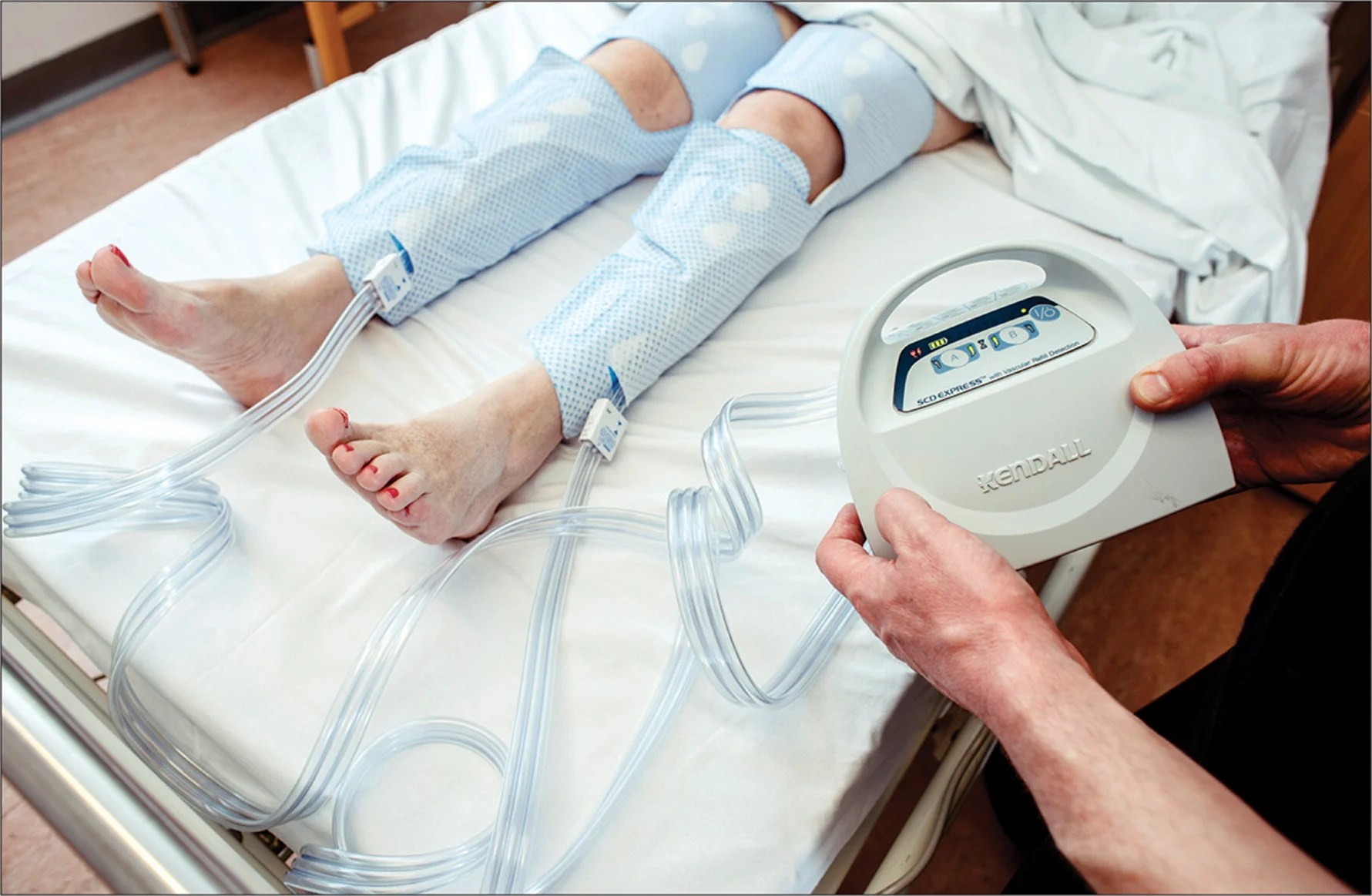
ENG: Researchers at UC Riverside have developed a groundbreaking air-powered computer that enhances the reliability and reduces the cost of Intermittent Pneumatic Compression (IPC) devices, which are used to prevent blood clots and strokes by improving blood circulation. Unlike traditional IPC devices that rely on electronic sensors, this new invention uses compressed air to monitor the device’s performance and alert medical staff to any malfunctions by blowing a whistle when an issue is detected. This air-powered system not only eliminates the need for costly electronics but also operates efficiently in environments where high humidity or temperature could compromise electronic components.
Read MoreSwimming Microrobots Deliver Cancer-fighting Drugs to Metastatic Lung Tumors in Mice
ENG: Engineers at the University of California, San Diego have pioneered a groundbreaking medical technology involving microrobots capable of delivering cancer-fighting drugs directly to tumors in the lungs. These microscopic robots, which combine elements of biology and nanotechnology, have been successfully tested in mice to target metastatic tumors. The use of these microrobots has significantly inhibited tumor growth and spread, leading to increased survival rates in test subjects. This innovation represents a significant advancement in the treatment of metastatic cancer, particularly in its ability to deliver therapeutics efficiently to hard-to-reach areas of the lung.
Read More