Another masterful animation production by Fortiche, showcasing their exceptional artistry, attention to detail, and ability to bring characters to life. Every frame is a work of art.

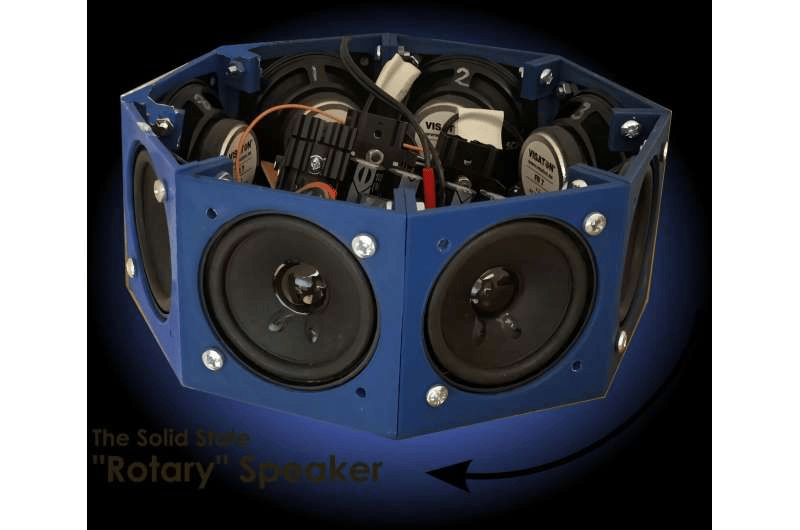
New Speaker Technology Manipulates Sound Waves Without Moving Parts
ENG: Engineers at the University of Nottingham have developed a new approach to sound effects that manipulates the way sound waves interact in the physical space around a listener. The team created a solid-state rotary speaker inspired by the Leslie speaker, a classic electromechanical device widely used with electric organs. Their research introduces an approach that sits between traditional mechanical sound effects and modern electronic or digital processing.