Desensitisation

Fragmente extrase din Manfred Spitzer, 2020. Demența digitală: Cum ne tulbură mintea noile tehnologii. Humanitas SA, capitolul 8. Jocuri digitale: note proaste, pag. 171-173, 176-177.

RO: “În ce privește empatia, trebuie amintit următorul studiu experimental al psihologilor americani Brad Bushman și Craig Anderson despre efectele violenței mediatice asupra comportamentului uman. Lucrarea lor are titlul Comfortably Numb (Confortabil insensibili). La un experiment de laborator au participat 320 de studenți egal împărțiți pe sexe, care au fost supuși următoarei proceduri: mai întâi li s‑a spus că e vorba de un experiment menit să stabilească ce jocuri preferă tinerii. Fiecărui student îi era oferit, la întâmplare, un joc video violent (Carmageddon, Duke Nukem, Mortal Kombat, Future Cop) sau un joc video nonviolent (Glider Pro, 3D Pinball, Ausin Powers, Tetra Madness); conducătorul experimentului fixa un cronometru la 20 de minute, îi înmâna subiectului un chestionar lung și îi spunea: ‘Când sună alarma, completează chestionarul. Între timp, eu trebuie să mă ocup de alt studiu, dar îți promit că mă întorc în 40 de minute. Te rog să nu pleci din cameră înainte să mă întorc, pentru că trebuie să‑ți mai pun câteva întrebări despre jocurile video. Ai înțeles?’

Read More

DNA serves as starting point for the next data storage solution

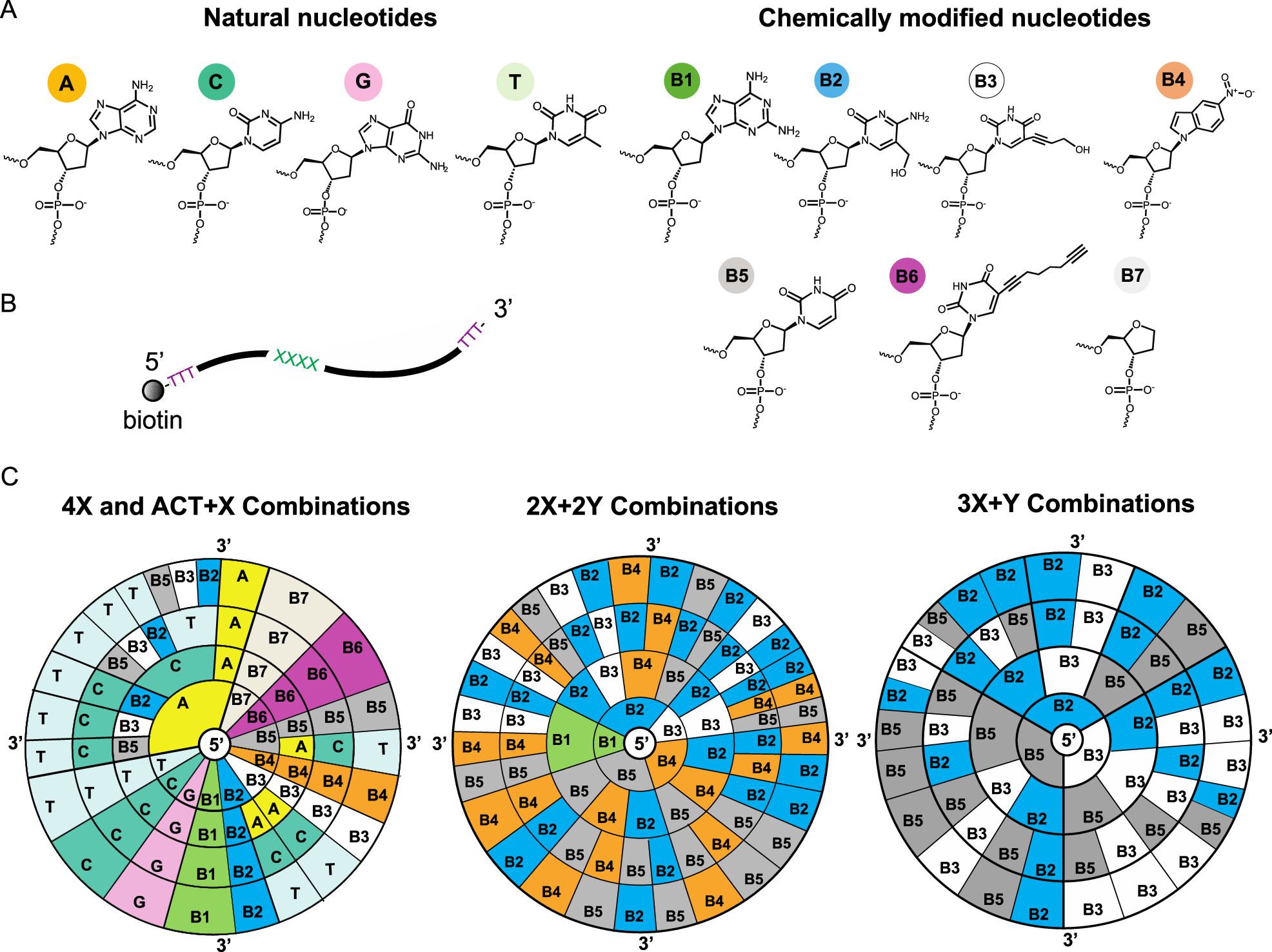
ENG: Imagine Bach’s “Cello Suite No. 1” played on a strand of DNA. This scenario is not as impossible as it seems. Too small to withstand a rhythmic strum or sliding bowstring, DNA is a powerhouse for storing audio files and all kinds of other media. “DNA is nature’s original data storage system. We can use it to store any kind of data: images, video, music — anything,” said Kasra Tabatabaei, a researcher at the Beckman Institute for Advanced Science and Technology and a coauthor on this study. Expanding DNA’s molecular makeup and developing a precise new sequencing method enabled a multi-institutional team to transform the double helix into a robust, sustainable data storage platform.

 DNA data storage using natural and chemically modified nucleotides. Credit: Beckman Institute
Read More

Exercise Alters Brain Chemistry to Protect Aging Synapses

ENG: When elderly people stay active, their brains have more of a class of proteins that enhances the connections between neurons to maintain healthy cognition, a new study has found. This protective impact was found even in people whose brains at autopsy were riddled with toxic proteins associated with Alzheimer’s and other neurodegenerative diseases.

Credit: Harvard Medical School
Read More

MaxDIA: Taking proteomics to the next level

ENG: A new software improves data-independent acquisition proteomics by providing a computational workflow that permits highly sensitive and accurate data analysis. Proteins are essential for our cells to function, yet many questions about their synthesis, abundance, functions, and defects still remain unanswered. High-throughput techniques can help improve our understanding of these molecules. For analysis by liquid chromatography followed by mass spectrometry (MS), proteins are broken down into smaller peptides, in a process referred to as “shotgun proteomics.” The mass-to-charge ratio of these peptides is subsequently determined with a mass spectrometer, resulting in MS spectra. From these spectra, information about the identity of the analyzed proteins can be reconstructed. However, the enormous amount and complexity of data make data analysis and interpretation challenging.

Protein ratio distributions in the four species. Credit: Max-Planck-Gesellschaft
Read More